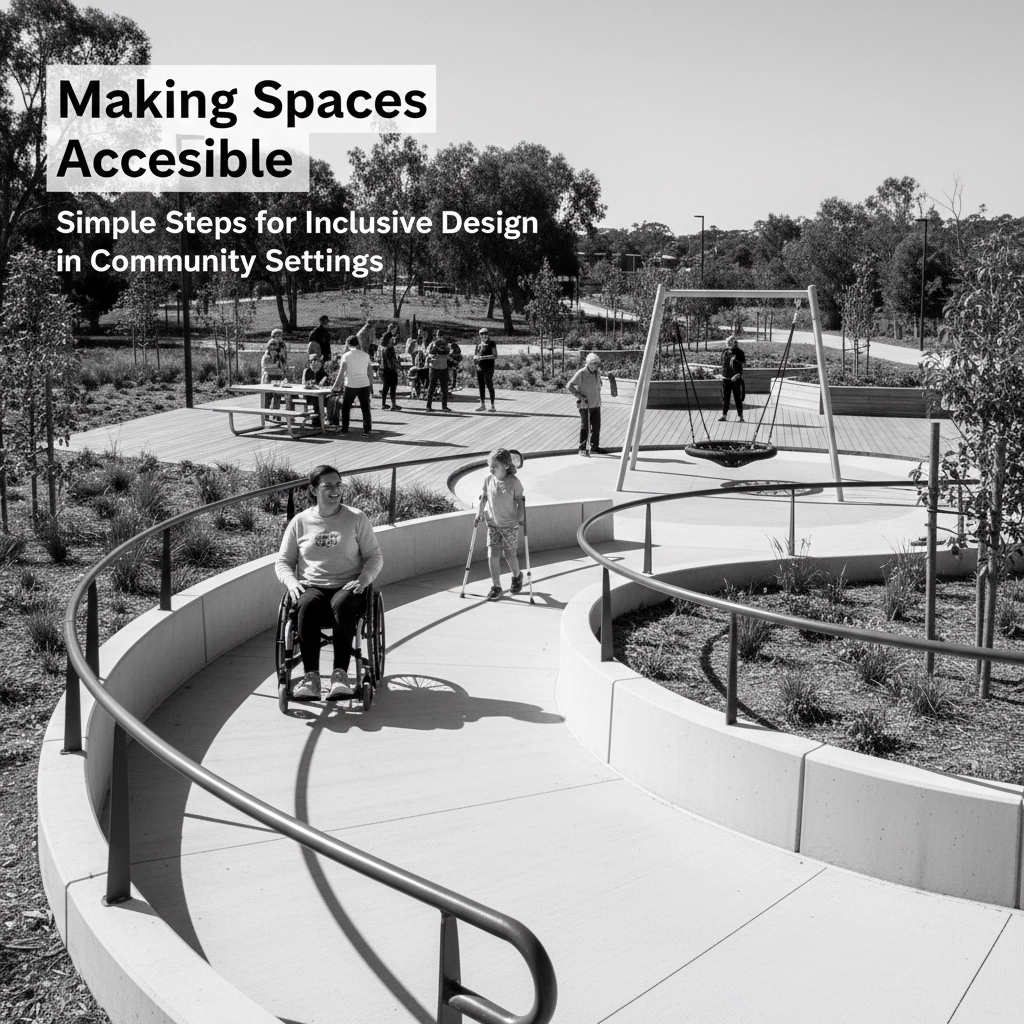
Creating truly accessible community spaces isn't just about meeting ADA requirements: it's about designing environments where everyone feels welcomed, valued, and able to participate fully. Whether you're running a community center, organizing events, or managing a nonprofit space, inclusive design should be at the heart of your planning process.
The reality is that 90% of community spaces still fall short of being truly inclusive, even when they technically meet legal requirements. That's because accessibility goes far beyond ramps and wide doorways. It encompasses cognitive accessibility, cultural considerations, economic barriers, and social inclusion factors that many organizations overlook.
Understanding True Inclusive Design
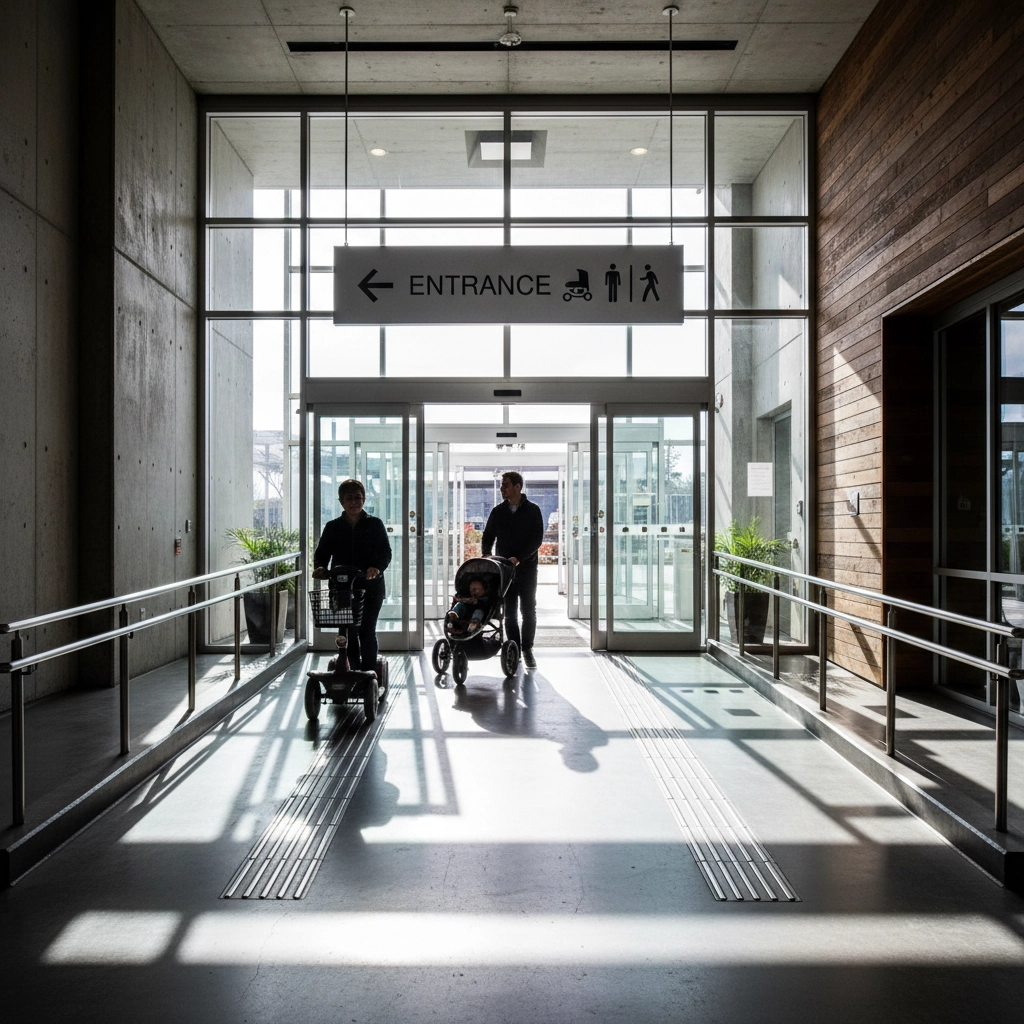
Inclusive design means creating spaces and experiences that work for the widest possible range of people, regardless of their abilities, background, or circumstances. This approach benefits everyone: not just people with disabilities. When you design for accessibility, you often create solutions that make life easier for parents with strollers, delivery workers, elderly community members, and anyone carrying heavy items.
Think about curb cuts as a perfect example. Originally designed for wheelchair users, they now benefit countless people every day: parents pushing strollers, travelers with rolling luggage, cyclists, and delivery workers. This is the power of inclusive design: solutions that start with accessibility often end up being universally helpful.
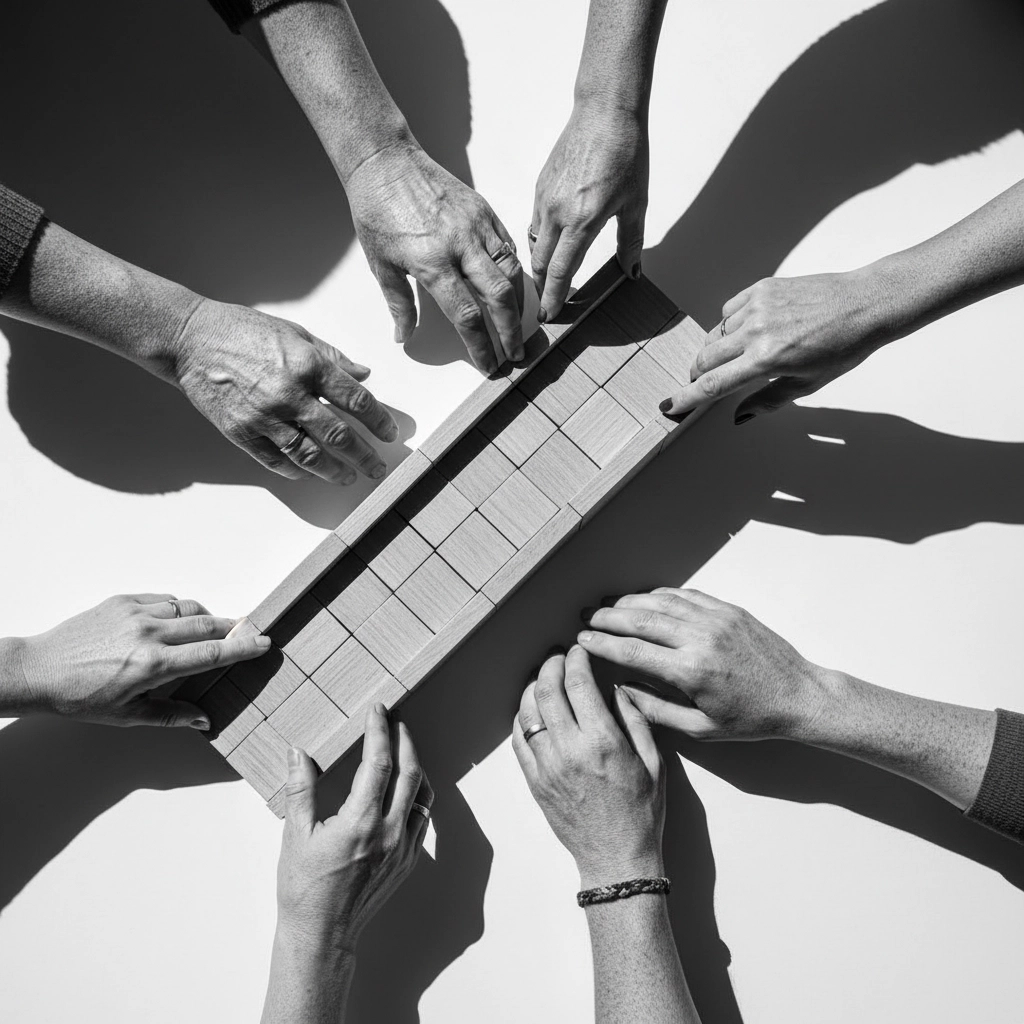
The key is shifting your mindset from "accommodation" to "universal access." Instead of retrofitting spaces to meet minimum requirements, you're proactively designing environments that welcome diverse needs from the start.
Why Inclusive Design Matters for Communities
Beyond the moral imperative, there are compelling practical reasons to prioritize inclusive design. Communities with accessible spaces see 70% higher participation rates across all demographics. When people feel comfortable and able to access your programs, they're more likely to attend regularly, volunteer, and recommend your organization to others.
Inclusive spaces also strengthen community bonds. Research shows that 95% of people report feeling more connected to their neighborhood when public spaces accommodate diverse needs. This connection translates into increased civic engagement, stronger social networks, and more resilient communities overall.
From an organizational perspective, inclusive design often saves money in the long run. It's typically 60% less expensive to incorporate accessibility features during initial design than to retrofit later. Plus, accessible spaces often qualify for additional grant funding and community partnerships.
Simple Steps to Get Started
Conduct a Community Accessibility Audit
Before making changes, assess your current space through the lens of different users. Walk through your facility while considering various scenarios: How would someone with low vision navigate your space? Could a person using a wheelchair access all areas comfortably? Are your signs readable for people with different literacy levels?
Create a simple checklist covering physical accessibility, communication barriers, and social inclusion factors. Don't do this alone: invite community members with different abilities to participate in the audit. Their lived experience will reveal barriers you might miss.
Start with High-Impact, Low-Cost Changes
You don't need a massive budget to begin improving accessibility. Many effective changes cost less than $500:
Improve lighting and contrast. Adding LED lights in dim areas and ensuring high contrast between text and backgrounds helps people with visual impairments while making spaces more welcoming for everyone.
Create quiet spaces. Designate low-stimulation areas where people can retreat if they feel overwhelmed. This supports individuals with autism, anxiety, or sensory processing differences.
Add visual wayfinding. Simple, clear signage with pictograms helps people navigate independently, regardless of their reading level or primary language.
Provide flexible seating options. Include chairs with armrests, backless seating, and standing-height surfaces to accommodate different physical needs and preferences.
Enhance Communication Accessibility
Information accessibility is often overlooked but critically important. Ensure your materials are available in multiple formats: large print, digital versions compatible with screen readers, and simplified language versions. Consider offering key information in the most common second languages in your community.
Train your staff in basic communication accessibility practices. This includes making eye contact when speaking, facing people when talking (essential for lip readers), and knowing how to communicate with people who use assistive devices.
Integrate Technology Thoughtfully
Modern technology offers powerful accessibility solutions that are becoming increasingly affordable. Automated doors, hearing loop systems for people with hearing aids, and smartphone apps with audio descriptions can dramatically improve accessibility.
Consider starting with a simple website accessibility audit. Ensure your online presence is compatible with screen readers and includes alternative text for images. Many community members research programs online before visiting in person, so digital accessibility directly impacts physical space usage.
Engaging Your Community in the Process
The most successful inclusive design projects involve the community throughout the planning process. Host accessibility focus groups with diverse participants, including people with disabilities, seniors, families with young children, and non-English speakers. Their input will guide your priorities and help you avoid costly mistakes.
Partner with local disability advocacy organizations, senior centers, and cultural groups. These partnerships often provide access to expertise, volunteers for testing new features, and potential funding opportunities. Many organizations are eager to collaborate on accessibility projects that benefit their members.
Consider implementing a "universal design challenge" where community members suggest creative accessibility solutions. You'll be amazed at the innovative ideas people develop when they understand the goals and constraints.

Measuring Your Progress
Track the impact of your accessibility improvements through both quantitative and qualitative metrics. Monitor attendance rates across different demographic groups, collect feedback through accessible survey formats, and document specific barriers that have been removed.
Create a simple feedback system where community members can easily report accessibility issues or suggest improvements. This might be a dedicated email address, a suggestion box in multiple languages, or regular listening sessions.
Celebrate your progress publicly. Share success stories, highlight community members who have benefited from improvements, and acknowledge partners who have contributed to your accessibility journey. This visibility often attracts additional support and resources.
Building Momentum for Long-term Change
Start small but think big. Create a multi-year accessibility plan that phases in improvements based on impact, cost, and community input. This approach makes major renovations more manageable financially while demonstrating ongoing commitment to inclusion.
Apply for accessibility-focused grants and partnerships. Many foundations specifically fund inclusive design projects, and successful small projects often qualify organizations for larger funding opportunities.
Connect with the broader accessibility community. Join networks of organizations working on inclusive design, attend conferences, and share your experiences. Learning from others' successes and challenges accelerates your progress while building valuable relationships.
Moving Forward Together
Creating accessible, inclusive community spaces is both a practical necessity and a powerful statement of values. It signals that your organization truly believes everyone deserves to participate fully in community life. While the process requires intentional effort and ongoing commitment, the benefits: stronger communities, increased participation, and more equitable access: make it one of the most important investments you can make.
Remember that accessibility is an ongoing journey, not a destination. As your community grows and changes, so will accessibility needs. By establishing inclusive design as a core organizational value and involving community members in the process, you'll create spaces that continue evolving to serve everyone effectively.
The simple steps outlined here can help any organization begin this important work, regardless of budget or current accessibility level. Start where you are, use what you have, and focus on the changes that will make the biggest difference for your specific community. Every barrier removed and every accommodation added brings you closer to truly inclusive spaces where all community members can thrive.