Building effective donor engagement strategies remains one of the most critical challenges facing nonprofit organizations today. With 70% of first-time donors never giving again, creating lasting relationships with supporters requires more than sending annual appeal letters. Successful donor engagement transforms one-time contributors into committed advocates who support your mission for years to come.
The foundation of strong donor relationships lies in understanding that supporters want to feel valued, informed, and connected to the impact their contributions create. When organizations prioritize genuine relationship-building over transactional interactions, they see significant improvements in donor retention rates and overall fundraising success.
Understanding the Donor Engagement Cycle
The most effective donor engagement follows a proven four-stage cycle: Ask, Thank, Report, and Repeat. This systematic approach ensures consistent touchpoints that keep supporters informed and valued throughout their relationship with your organization.
During the "Ask" stage, personalized donation requests acknowledge previous contributions while clearly communicating how new donations create specific impact. The "Thank" phase goes beyond basic acknowledgment letters to include phone calls, personal notes, and public recognition. "Report" involves sharing concrete outcomes and stories that demonstrate how donations make a difference. Finally, "Repeat" continues the cycle with new opportunities for involvement.

This cyclical approach prevents donors from feeling forgotten between campaigns while maintaining their emotional connection to your cause. Organizations that implement this framework consistently report 34% higher donor retention rates compared to those using sporadic communication strategies.
Personalization and Segmentation Strategies
Generic mass communications fail to create meaningful connections with today's donors. Effective donor engagement requires dividing your supporter database into meaningful segments based on donation history, interests, and engagement preferences.
Start by creating segments around:
- Donation recency and frequency
- Giving levels and capacity
- Volunteer involvement
- Event attendance history
- Communication preferences
Personalized outreach extends beyond using donor names in emails. Reference specific past contributions, acknowledge unique interests, and tailor messaging to each segment's characteristics. Research shows that 72% of consumers only engage with personalized messaging, making this approach essential rather than optional.
Consider Mrs. Johnson, who has donated $500 annually for three years and volunteers at your food bank. Her communications should reference her volunteer work, thank her for both time and financial contributions, and share specific stories about families served through the food bank program.
Recognition and Appreciation Beyond Thank-You Notes
Making donors feel valued requires creative recognition strategies that go beyond standard acknowledgment letters. Direct personal contact remains one of the most powerful engagement tools available to nonprofit organizations.
Phone Call Appreciation
A personal phone call expressing genuine gratitude provides an unexpected touch that makes donors feel acknowledged as individuals. Train staff and board members to make appreciation calls within 48 hours of receiving donations.
Public Recognition Programs
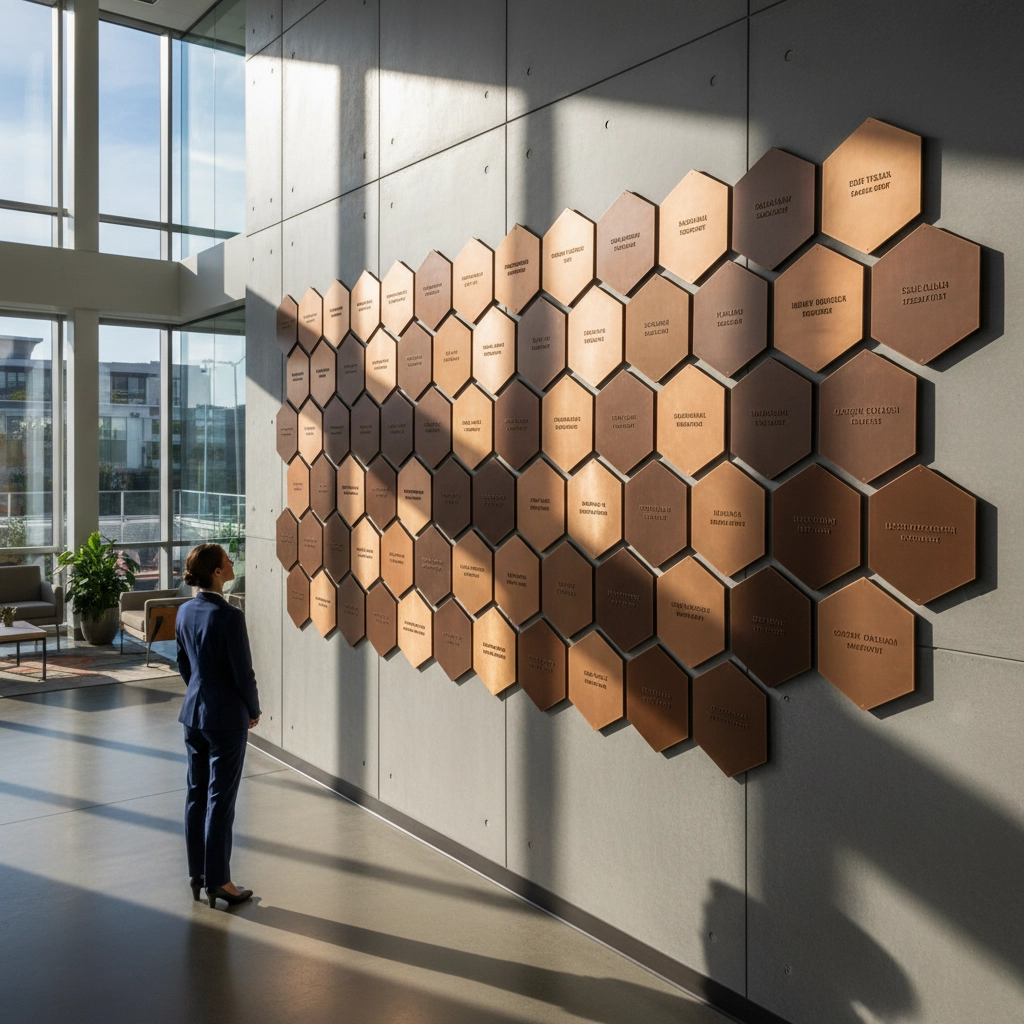
Feature major donors in newsletters, social media posts, and press releases. Create donor walls at your facilities that permanently recognize generous supporters. Tag supporters in social media content when appropriate, always asking permission first.
Board Member Involvement
Train board members to conduct thank-you calls and participate in stewardship activities. Board involvement adds prestige to donor interactions while demonstrating organizational leadership commitment to relationship building.
Diversifying Engagement Beyond Financial Contributions
Successful donor engagement recognizes that supporters can contribute more than money. Identify volunteers and advocates within your donor database who may have limited financial capacity but can support your cause through time and influence.
Create multiple engagement opportunities:
- Hands-on volunteer activities
- Special events and galas
- Meet-and-greets with organizational leaders
- Advisory committee participation
- Peer-to-peer fundraising campaigns
This diversified approach increases donor lifetime value while creating multiple touchpoints for mission connection. Volunteers often become major donors once they develop deeper organizational relationships.
Multi-Channel Communication Strategies
Effective donor engagement requires consistent communication across multiple platforms. Email campaigns should include introductory sequences for new donors and regular newsletters highlighting achievements and organizational needs.
Email Marketing Best Practices
Segment email lists to ensure message relevance for each recipient group. Create automated drip campaigns that introduce new donors to your organization's history, mission, and impact. Send monthly newsletters featuring success stories, upcoming events, and specific ways supporters can get involved.
Social Media Engagement
Develop consistent posting schedules across Facebook, Instagram, and LinkedIn platforms. Share diverse content including photos, videos, and supporter spotlights. Tag donors in posts when appropriate and create hashtags that supporters can use to share their own experiences.
Regular Check-In Communications
Schedule monthly or quarterly updates to maintain connection between major campaigns. These communications should focus on progress updates rather than donation requests, demonstrating transparency and accountability.

Identifying and Cultivating Major Donor Prospects
Use donor database analytics to identify major gift prospects by examining engagement scores, giving history, and wealth indicators. Look for supporters with high interaction rates across multiple channels and escalating donation patterns.
Face-to-face solicitation proves significantly more effective than digital requests. Research indicates that in-person donation requests achieve 34 times higher success rates than email appeals. Events provide natural opportunities for one-on-one conversations with major donor prospects.
Create tailored stewardship plans for major donors that include:
- Personal meetings with executive leadership
- Exclusive briefings on organizational strategy
- Behind-the-scenes facility tours
- Input opportunities on program development
Creating Membership Programs and Ongoing Incentives
Donor membership programs encourage recurring giving while providing exclusive benefits that strengthen organizational connection. Successful programs offer tiered recognition levels based on annual contribution amounts or consecutive giving years.
Membership benefits might include:
- Exclusive newsletters with insider updates
- Event ticket discounts or complimentary admission
- Priority registration for popular programs
- Special recognition at annual events
- Direct access to leadership team members
Upgrade Strategy Implementation
Systematically encourage donor advancement through higher engagement levels. Move one-time donors toward recurring gifts, challenge existing supporters to increase annual contributions, and offer matching gift opportunities that incentivize larger donations.
Measuring Engagement Success and Making Adjustments
Track donor engagement through comprehensive metrics including email open rates, event attendance, website interaction, and social media engagement. Implement customer relationship management systems that log all donor touchpoints and interactions.
Key performance indicators for donor engagement include:
- Donor retention rates year-over-year
- Average gift size progression
- Volunteer participation rates
- Event attendance numbers
- Email engagement statistics

Conduct annual donor surveys to gather feedback on communication preferences, organizational priorities, and suggested improvements. Make genuine efforts to incorporate supporter suggestions when feasible, demonstrating that their input influences organizational decisions.
Technology Tools for Streamlined Engagement
Modern donor engagement benefits significantly from technology platforms that automate routine communications while enabling personalized interactions. Customer relationship management systems track donor preferences, giving history, and engagement patterns.
Email automation tools can trigger personalized thank-you sequences, birthday greetings, and anniversary acknowledgments without requiring manual intervention. Social media management platforms help maintain consistent posting schedules while monitoring supporter interactions across multiple channels.
However, technology should enhance rather than replace personal connection. The most successful donor engagement strategies combine efficient automated systems with genuine human interaction that makes supporters feel valued as individuals.
Building lasting donor relationships requires consistent effort, authentic communication, and genuine appreciation for supporter contributions. Organizations that prioritize relationship-building over transactional interactions create communities of committed advocates who support their missions for decades. By implementing systematic engagement cycles, personalizing communications, and diversifying involvement opportunities, nonprofits can transform their fundraising effectiveness while creating meaningful connections with supporters.
For more insights on effective fundraising strategies, explore our comprehensive guide to fundraising campaigns that raise support that matters.