In today's rapidly evolving world, engaging young people in meaningful ways has become more critical than ever. Youth and student engagement isn't just about keeping young minds occupied: it's about empowering the next generation to become active contributors to their communities and catalysts for positive change. For organizations like nonprofits and community groups, understanding how to authentically connect with youth can make the difference between superficial participation and transformative impact.
The Power of Youth Engagement in Community Work
Research consistently shows that engaged students are 2.5 times more likely to succeed academically and 4.5 times more hopeful about their futures. However, the benefits extend far beyond individual achievement. When young people are genuinely engaged in community work and social causes, they develop essential life skills while contributing fresh perspectives and innovative solutions to pressing social issues.
Youth engagement in nonprofit and community settings offers unique advantages. Young people bring energy, creativity, and digital fluency that can revitalize traditional approaches to community challenges. They also serve as bridges between different generations, helping organizations understand and adapt to changing social dynamics and communication preferences.

Understanding What Drives Youth Engagement
Effective youth engagement begins with understanding what motivates young people. Unlike previous generations, today's youth value authenticity, inclusivity, and immediate impact. They want to see how their contributions make a real difference and expect transparency in how organizations operate.
Connection to Purpose
Young people are more likely to engage when they understand the deeper meaning behind activities. Instead of simply asking youth to volunteer, successful programs clearly articulate how specific actions connect to larger social issues they care about. Whether it's environmental sustainability, social justice, or community development, youth respond when they see authentic connections between their values and the work they're being asked to do.
Voice and Choice
One of the most powerful drivers of youth engagement is giving young people genuine voice in decision-making processes. This means moving beyond token representation to creating structures where youth perspectives influence program design, implementation, and evaluation. When young people feel heard and see their ideas being implemented, their investment in outcomes increases dramatically.
Skill Development and Growth
Today's youth are highly focused on building skills that will serve them in their future careers and personal lives. Engagement programs that combine service with skill development: such as leadership training, project management, digital marketing, or public speaking: tend to attract and retain more participants.
Strategies for Meaningful Youth Engagement
Create Diverse Entry Points
Not all young people engage in the same ways. Some thrive in large group settings, while others prefer one-on-one mentoring. Some are drawn to hands-on service projects, while others excel at research and advocacy. Successful youth engagement programs offer multiple ways for young people to get involved based on their interests, skills, and availability.
Consider developing short-term project opportunities alongside longer-term leadership roles. This allows young people to test their interest and fit before making larger commitments. Virtual engagement options have also become increasingly important, allowing participation regardless of geographic location or transportation barriers.

Implement Peer-to-Peer Learning
Young people often learn best from other young people. Creating opportunities for peer mentorship, where slightly older youth guide newer participants, builds leadership skills while providing relatable guidance for newcomers. This approach also helps create sustainable program structures that don't rely entirely on adult supervision.
Peer learning can take many forms: youth-led workshops, collaborative project teams, or structured mentorship programs. The key is ensuring that peer leaders receive appropriate training and support while maintaining enough autonomy to develop their own leadership styles.
Focus on Real-World Impact
Youth engagement programs that tackle authentic community challenges tend to generate higher participation and satisfaction than those with artificial or purely educational objectives. Partner with local organizations to identify genuine needs that youth can help address, whether through direct service, research, advocacy, or awareness campaigns.
Document and share the impact of youth contributions regularly. Young people need to see concrete evidence that their work matters. This might include statistics about people served, policy changes influenced, or community improvements achieved through their efforts.
Building Community-Centered Engagement
Cultural Responsiveness
Effective youth engagement recognizes and celebrates the diverse backgrounds, experiences, and perspectives that young people bring. This means ensuring that program materials, activities, and leadership reflect the communities being served. It also involves understanding how different cultural backgrounds might influence communication styles, family expectations, and availability for participation.
Culturally responsive engagement goes beyond surface-level diversity to examine whether programs truly serve all participants equitably. This might involve adapting meeting times to accommodate different work schedules, providing translation services, or partnering with trusted community organizations to reach underserved populations.
Intergenerational Connection
While peer-to-peer learning is important, intergenerational relationships also play a crucial role in youth development. Successful programs create meaningful opportunities for young people to interact with adults who can serve as mentors, advisors, and advocates. These relationships should be built on mutual respect and genuine interest in youth perspectives, not just adult guidance.

Consider creating advisory structures that include both youth and adult voices in program governance. This models collaborative decision-making while ensuring that programs remain responsive to youth needs and interests.
Community Partnership
Youth engagement works best when it's embedded in broader community networks. Partner with schools, faith organizations, community centers, and other youth-serving organizations to create seamless pathways for engagement. These partnerships can help with recruitment, provide additional resources, and create opportunities for youth to see how different organizations work together toward common goals.
Technology and Digital Engagement
Today's youth are digital natives who expect organizations to meet them where they are: online. Effective youth engagement programs leverage technology not just for communication but for meaningful participation and learning opportunities.
Social Media Strategy
Develop authentic social media presence that showcases youth voices and achievements. Let young people take leadership in content creation while maintaining appropriate oversight. User-generated content often resonates more strongly with peers than professionally produced materials.
Virtual Collaboration Tools
Invest in platforms that enable meaningful virtual collaboration, not just video calls. Tools that allow for collaborative document creation, project management, and creative expression can help maintain engagement between in-person meetings or serve geographically dispersed participants.
Digital Storytelling
Teach young people to document and share their experiences through blogs, videos, podcasts, or social media campaigns. Digital storytelling skills are valuable for personal development while helping organizations amplify their impact through authentic youth voices.
Measuring Success and Sustainability
Youth-Centered Evaluation
Traditional program evaluation often focuses on outputs: number of participants, hours served, events completed. While these metrics have value, youth-centered evaluation also examines outcomes from participants' perspectives: What skills did they develop? How did their community awareness change? What leadership opportunities emerged?
Involve young people in designing evaluation processes and interpreting results. They often identify impacts that adults might miss and can provide valuable insights into program strengths and areas for improvement.
Building Leadership Pipeline
Sustainable youth engagement requires intentional leadership development that creates pathways for participants to take on increasing responsibility over time. This might include junior board positions, program assistant roles, or opportunities to facilitate new participant orientation.
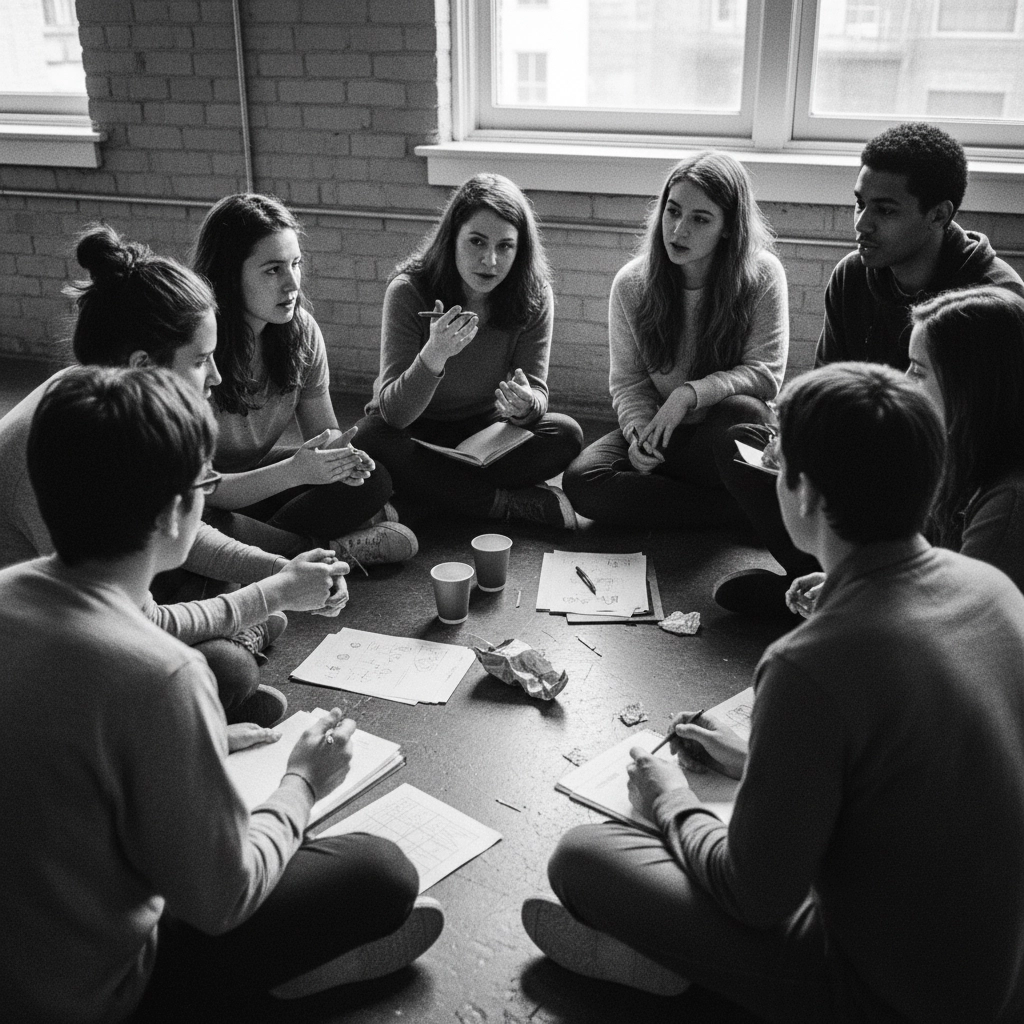
Create clear expectations and support systems for youth in leadership roles. Leadership development is a skill that requires practice, feedback, and gradual increase in responsibility.
Long-term Relationship Building
The most successful youth engagement programs view relationships as long-term investments rather than short-term transactions. Stay connected with program alumni, celebrate their achievements, and create opportunities for them to stay involved as mentors or advisors as they transition to adulthood.
Alumni networks can become powerful resources for current participants, providing career guidance, scholarship opportunities, and ongoing community connections that extend far beyond formal program participation.
Creating Lasting Impact
Effective youth and student engagement requires genuine commitment to viewing young people as partners rather than beneficiaries. It demands flexibility, cultural humility, and willingness to share power in meaningful ways. When done well, youth engagement creates lasting benefits for both participants and the communities they serve.
Organizations that invest in comprehensive youth engagement strategies often find that young people bring fresh energy and perspectives that strengthen all aspects of their work. The key is approaching youth engagement as an investment in community capacity rather than simply a program to offer young people.
For organizations ready to deepen their youth engagement efforts, start by listening to young people in your community about what they care about and how they want to contribute. Build from there, remaining flexible and responsive as programs develop. The future of community work depends on successfully bridging generational perspectives and empowering young people as partners in creating positive change.

To learn more about developing effective community engagement strategies, explore our resources or visit our homepage to discover how Cause and Community can support your organization's youth engagement goals.