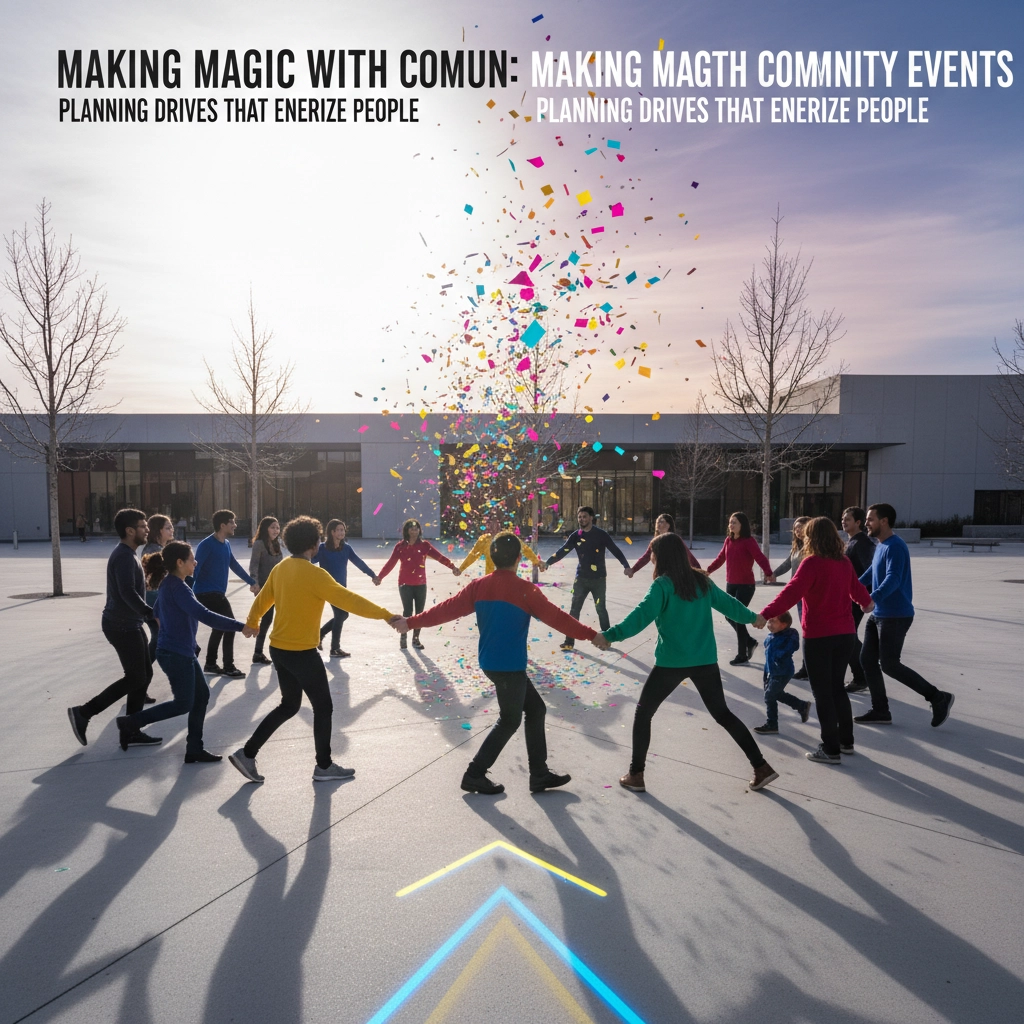
There's nothing quite like the buzz of a community event that hits the mark. You know the ones: where people linger long after the official end time, where new friendships spark over shared activities, and where folks are already asking "when's the next one?" The difference between events that energize and those that merely happen often comes down to intentional planning that puts community needs first.
Why Some Events Spark Energy (While Others Fall Flat)
The most successful community events share a common thread: they're built around what people actually want, not what organizers assume they need. When 73% of community members report feeling more connected after attending well-planned local events, it's because those events addressed real desires for connection, purpose, or fun.
Think about it this way: energizing events feel less like someone talking at the community and more like the community talking with itself. They create space for people to be seen, heard, and valued while working toward something meaningful together.
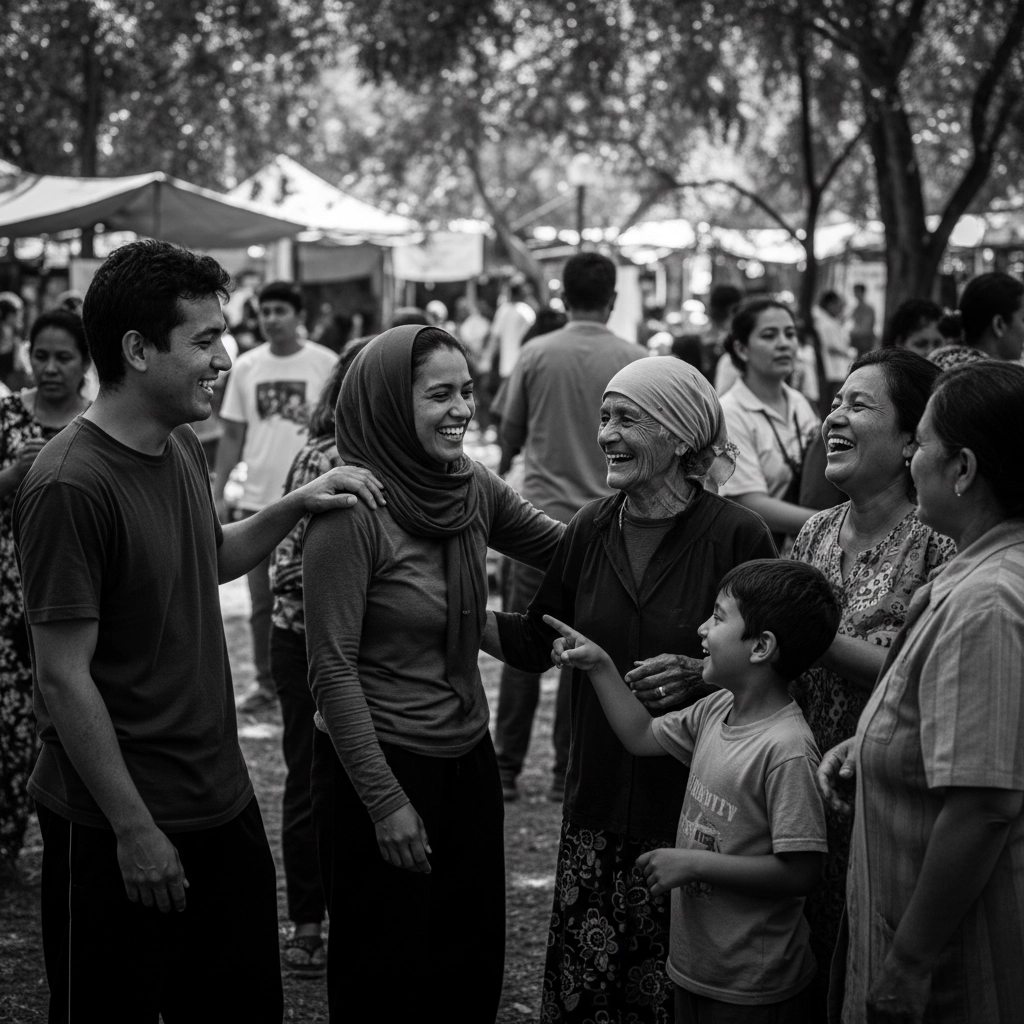
The magic happens when your event becomes a catalyst for ongoing community engagement rather than just a one-time gathering. This requires shifting from event planning to community building, where each drive or gathering strengthens the foundation for future collaboration.
Start With Your Community's Real Needs
Before diving into logistics, successful organizers spend time understanding what their community actually craves. This means getting out of the planning room and into conversations with residents, local business owners, families, and community leaders.
Simple surveys work wonders here. Ask questions like:
- What brings you the most joy in our neighborhood?
- What challenges do you wish we could tackle together?
- When you imagine the ideal community gathering, what does it look like?
- What time of year, day of week, and time of day work best for your family?
Focus groups can reveal even deeper insights. Gather 6-8 people from different demographics and backgrounds for honest conversations about what would motivate them to participate in community events. You'll often discover that what people say they want and what actually energizes them can be surprisingly different.
Consider conducting "listening sessions" in informal settings: coffee shops, community centers, or even park benches. These casual conversations often yield the most authentic feedback about what would create genuine excitement in your community.
Building Events That Welcome Everyone
Truly energizing events reflect the full diversity of your community. This goes beyond just sending invitations to everyone: it means actively designing experiences where people from different backgrounds, ages, abilities, and interests feel genuinely welcomed and valued.
Start with your planning team. When your organizing committee includes voices from different cultural groups, age ranges, and life experiences, your event naturally becomes more inclusive. These diverse perspectives help you spot potential barriers and opportunities you might otherwise miss.

Consider hybrid approaches that blend in-person and virtual elements. Live-streaming performances or workshops allows community members who can't physically attend: whether due to mobility challenges, work schedules, or childcare needs: to still participate in meaningful ways.
Design activities with various participation levels in mind. Some people love being on stage, others prefer behind-the-scenes contributions, and many enjoy being engaged spectators. Create opportunities for all these preferences within your event structure.
Language accessibility matters too. If your community includes non-English speakers, consider translation services, bilingual signage, or culturally relevant programming that helps everyone feel at home.
The Planning Essentials That Make or Break Your Event
Strong community events rest on solid logistical foundations. Start by establishing clear, measurable goals that go beyond just attendance numbers. Are you hoping to raise funds for a specific cause? Build connections between neighbors who don't normally interact? Showcase local talent? Your goals should guide every planning decision.
Budget planning requires honest assessment of both income and expenses. Factor in permits, venue costs, insurance, marketing materials, entertainment, food, and a 10-15% contingency fund for unexpected costs. Many successful community events operate on surprisingly modest budgets when they leverage volunteer labor and local partnerships effectively.
Timing can make or break participation. Research when similar events have succeeded in your area, check for conflicts with major local happenings, and consider seasonal factors. For annual events, some communities have success letting residents vote on preferred dates: this builds investment before the event even begins.
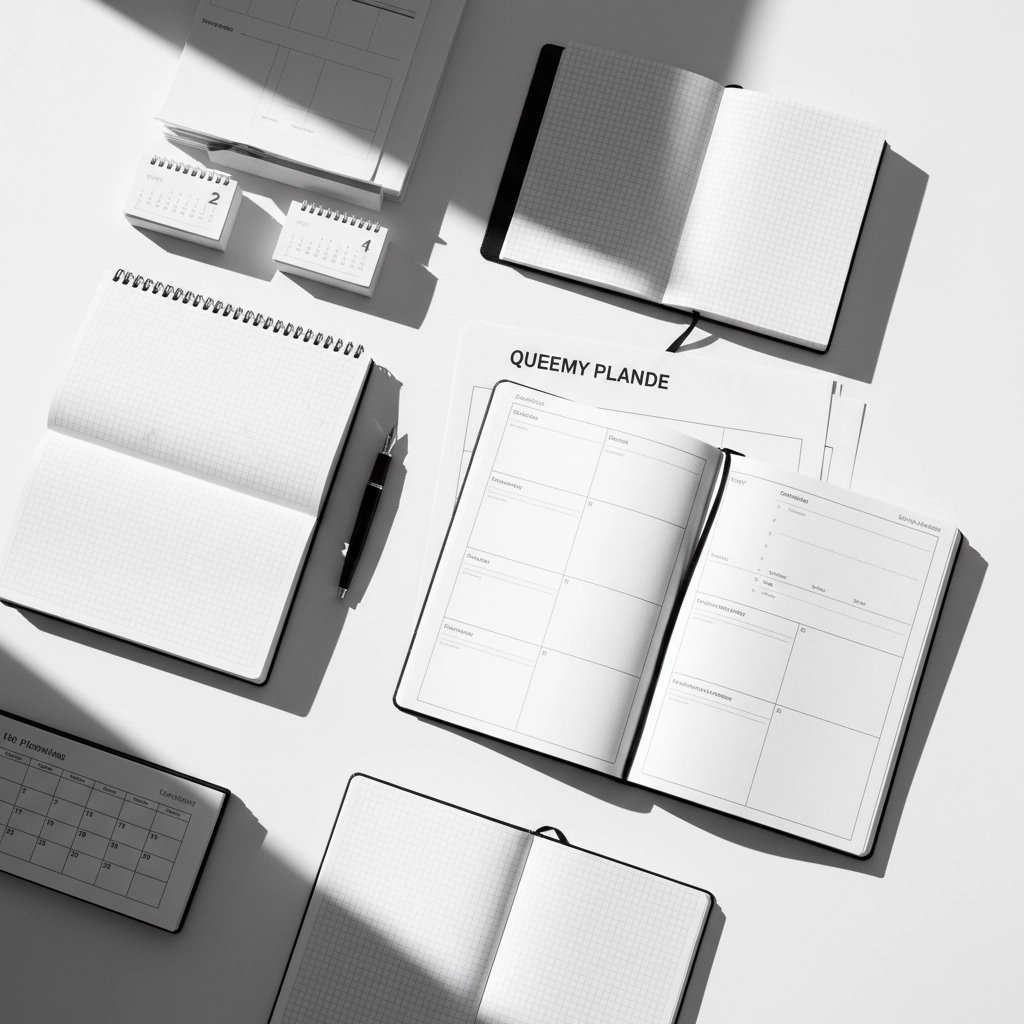
Create detailed timelines working backward from your event date. Major milestones typically include permit applications (8-12 weeks ahead), vendor confirmations (6-8 weeks), marketing launch (4-6 weeks), and final logistics confirmation (1-2 weeks). Digital tools like project management platforms help keep teams coordinated and accountable.
Turning Attendees Into Active Participants
The events that create the most lasting energy are those where community members become co-creators rather than passive consumers. This means building multiple ways for people to contribute their skills, ideas, and enthusiasm.
Invite local residents to lead workshops, perform, or share their expertise. A neighborhood cooking demonstration, local history presentation, or skill-sharing session often generates more engagement than expensive outside entertainment. People love seeing their neighbors' talents showcased.
Create interactive stations throughout your event space. Photo opportunities with community-themed props, collaborative art projects, or "community vision boards" where people can share hopes for the neighborhood all encourage active participation and social sharing.
Consider incorporating elements where attendees help shape future community initiatives. Voting on potential projects, brainstorming sessions for next year's event themes, or sign-ups for ongoing volunteer opportunities help extend engagement beyond the single event day.
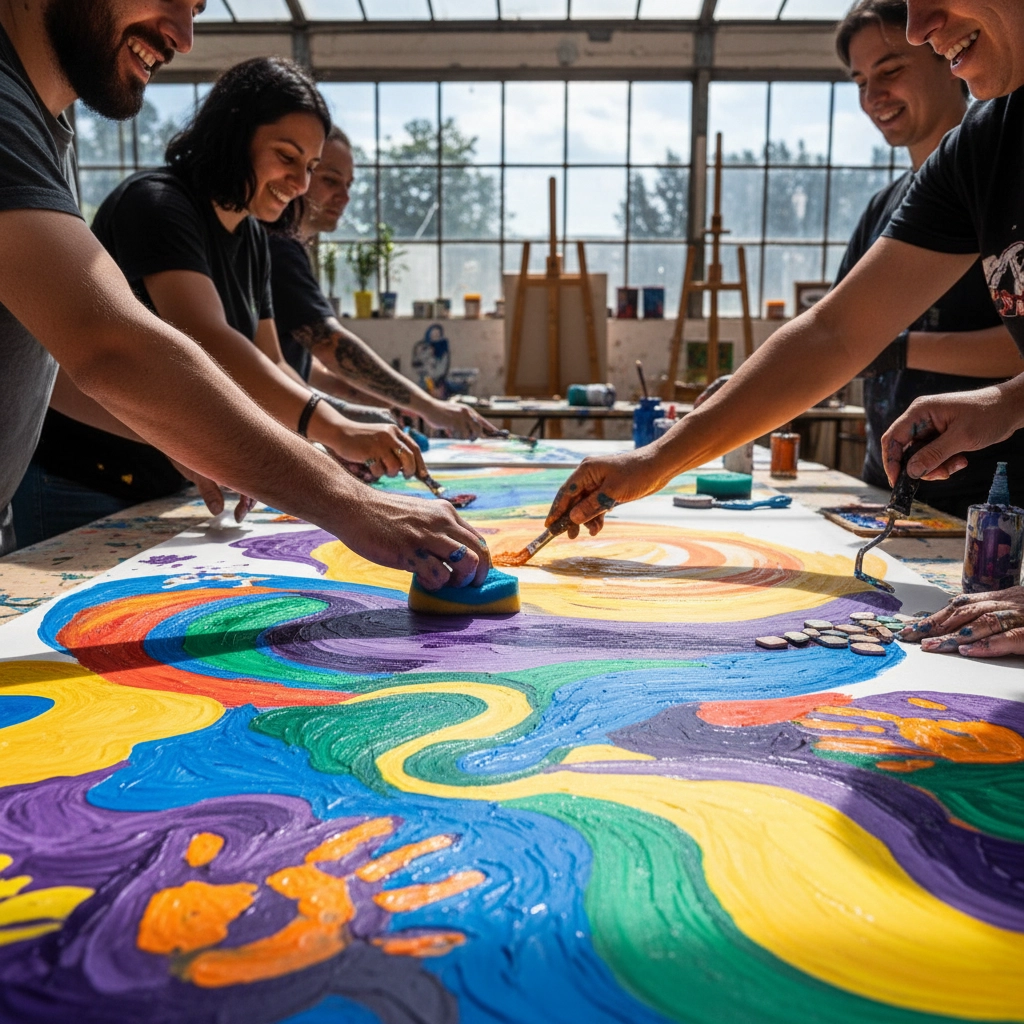
Design activities that naturally encourage conversation between people who might not otherwise meet. Structured activities like community scavenger hunts, group art projects, or collaborative problem-solving challenges help break the ice while working toward shared goals.
Creating Lasting Impact Beyond Event Day
The most energizing community events are those that serve as launching pads for ongoing connection and collaboration. Plan intentionally for how you'll maintain momentum after the last table is folded and the last volunteer goes home.
Document your event thoroughly with photos, videos, and attendee feedback. Share these highlights across all your communication channels: social media, newsletters, community bulletin boards. This celebration of participation encourages future involvement and helps people who couldn't attend feel connected to the community energy.
Use your event as an opportunity to establish or strengthen ongoing community groups. Interest sign-up sheets for book clubs, gardening groups, youth activities, or volunteer committees can turn single-event attendees into year-round community contributors.
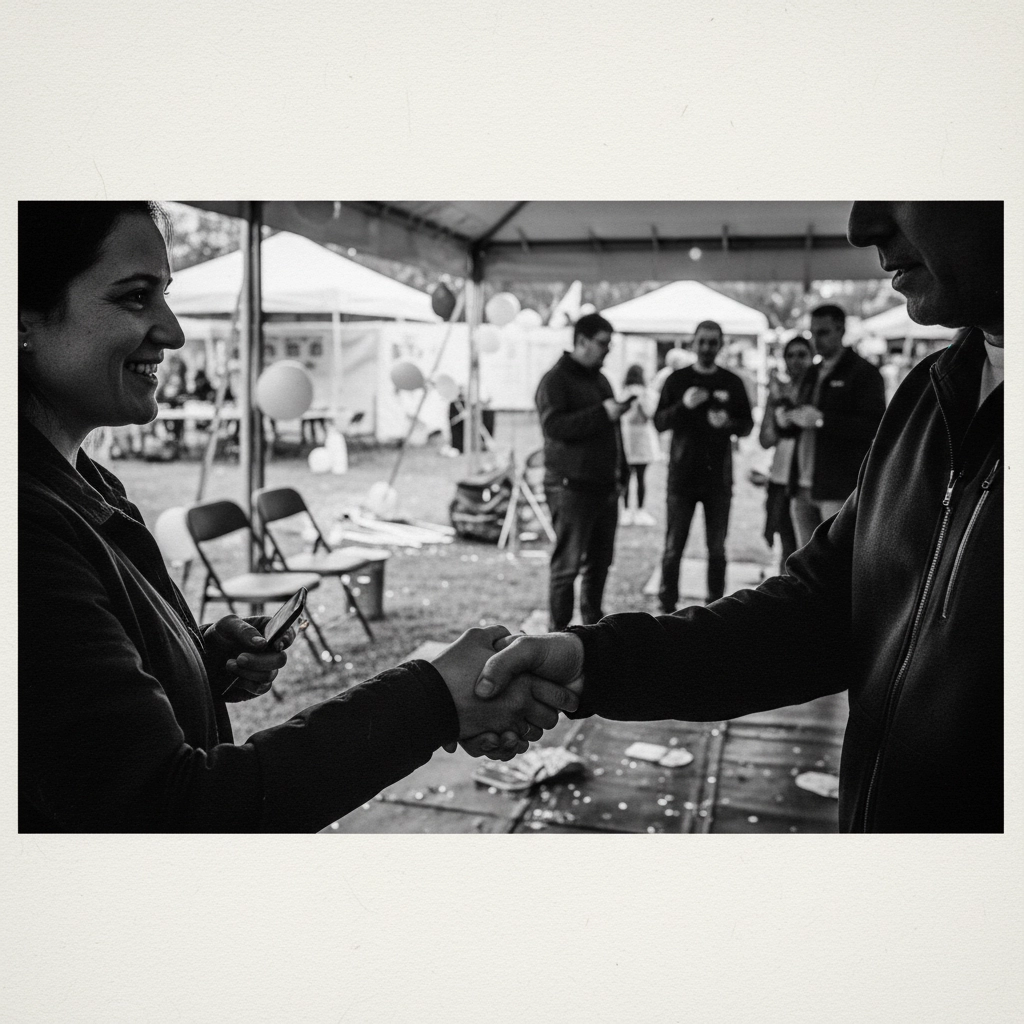
Follow up personally with active participants. A simple thank-you note to volunteers, performers, or especially engaged attendees helps maintain relationships and identifies potential leaders for future initiatives. These personal connections often become the foundation for expanded community programming.
Create feedback loops that inform your next efforts. Send brief surveys to participants asking what they loved, what could improve, and what kinds of future events or initiatives they'd support. This ongoing conversation keeps your finger on the pulse of community desires and ensures future events remain relevant and energizing.
The most successful community organizers understand that individual events are building blocks in a larger community-building strategy. Each gathering should strengthen relationships, reveal community assets, and create momentum for positive change that extends far beyond any single day of activities.
When community events truly energize people, they remind us of what's possible when neighbors come together with shared purpose. They create space for joy, connection, and collaborative action that ripples through communities long after the event cleanup is complete.