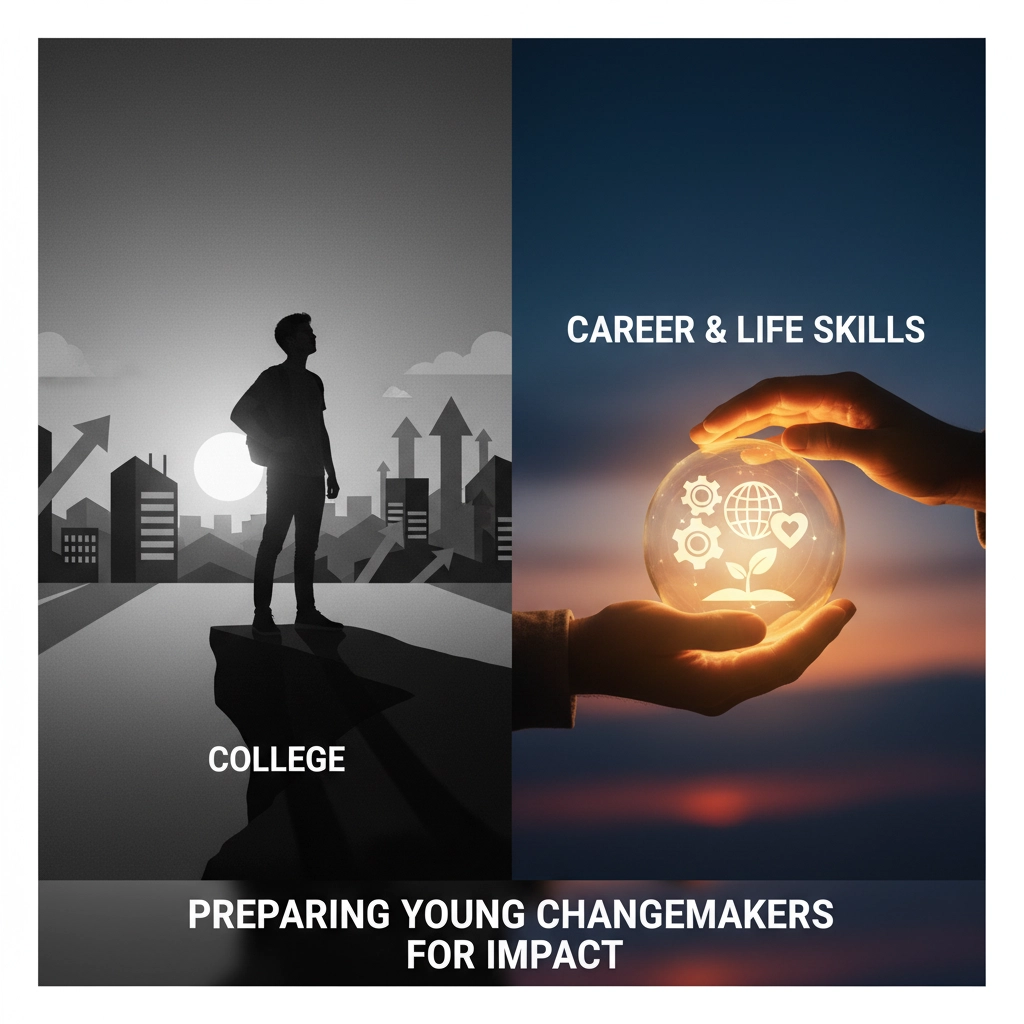
The nonprofit sector needs fresh voices, innovative thinking, and passionate advocates ready to tackle today's most pressing challenges. Yet 70% of young people entering the social impact space feel unprepared for the unique demands of nonprofit careers. Preparing young changemakers for impact requires more than traditional college and career readiness: it demands a comprehensive approach that builds essential life skills, develops emotional intelligence, and cultivates the resilience needed to create lasting change.
Young changemakers need practical guidance to navigate the intersection of personal development, professional growth, and social impact. This preparation encompasses six core competencies that research shows are critical for long-term success in any field, but especially vital for those committed to making a difference in their communities.
Core Competencies Every Changemaker Needs
Social and Emotional Learning Foundation
Social and emotional learning forms the bedrock of effective changemaking. This competency involves understanding and regulating emotions, developing a healthy sense of self, and treating others with respect and empathy. Young people who master these skills can lead with authenticity and connect meaningfully with diverse stakeholders: essential abilities in nonprofit work where building trust and inspiring action are daily requirements.
Developing emotional intelligence means learning to recognize your own triggers, manage stress effectively, and remain calm under pressure. These skills prove invaluable when advocating for controversial causes, managing difficult conversations with donors, or supporting community members facing crisis situations.
Building Strong Interpersonal Relationships
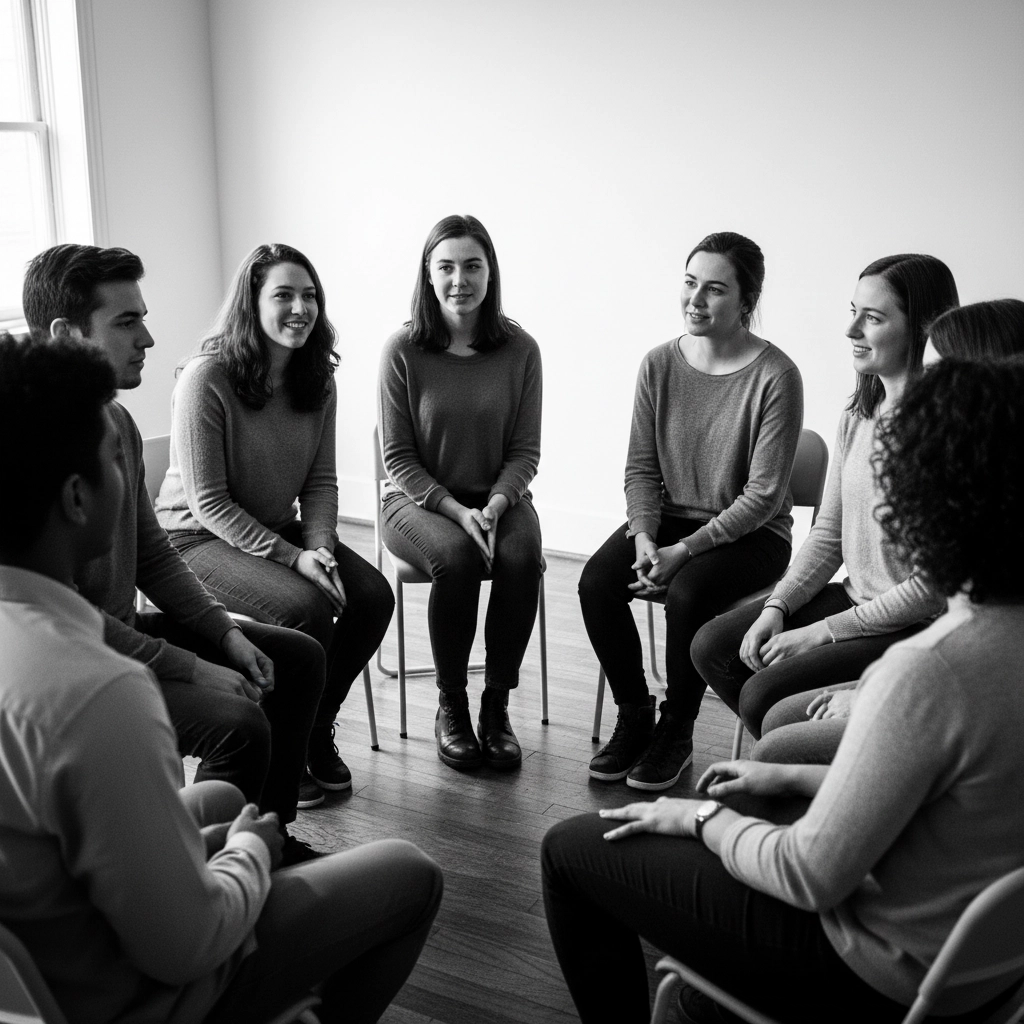
Successful changemakers excel at building support systems and maintaining positive relationships that allow them to become effective advocates for themselves and others. This goes beyond basic networking: it's about creating authentic connections that sustain long-term collaboration and collective action.
Students who develop strong interpersonal skills can:
- Collaborate effectively across different backgrounds and perspectives
- Build coalitions around shared causes
- Navigate conflict constructively
- Inspire others to join their mission
- Maintain professional relationships that open doors to new opportunities
Academic Excellence with Real-World Application
While passion drives changemaking, academic skills provide the foundation for sustained impact. This includes developing strong study habits, goal-setting abilities, and course planning that prepares students for postsecondary success. However, academic preparation for nonprofit careers requires connecting classroom learning to real-world challenges.
Research shows that 90% of successful nonprofit leaders combine traditional academic knowledge with practical problem-solving experience. Students benefit from seeking coursework in areas like public policy, social psychology, business administration, communications, and data analysis: all skills that translate directly to nonprofit impact work.
Essential Skills for Nonprofit Career Success
Communication That Persuades and Inspires
Communication skills allow changemakers to persuade stakeholders, influence decision-makers, and negotiate with diverse groups. In the nonprofit sector, communication takes many forms: writing compelling grant proposals, delivering presentations to board members, facilitating community meetings, and crafting social media campaigns that drive action.
Effective nonprofit communicators master both written and verbal skills. They learn to adapt their message for different audiences: speaking one way to young volunteers, another way to corporate sponsors, and yet another way to government officials. This adaptability requires understanding how different groups process information and what motivates them to act.

Leadership and Teamwork in Action
Nonprofit work is inherently collaborative, requiring both leadership capabilities and teamwork skills. Young changemakers must learn to lead when the situation demands it and follow when others have greater expertise or authority. This flexibility enables effective problem-solving and helps inspire others toward shared goals.
Leadership in nonprofit settings often means:
- Facilitating group decision-making processes
- Motivating volunteers who aren't financially compensated
- Managing projects with limited resources
- Building consensus among stakeholders with competing interests
- Taking initiative when no one else steps forward
Financial Literacy for Sustainable Impact
Understanding money management is crucial for changemakers who want to create lasting impact. Personal financial literacy helps young nonprofit professionals manage lower salaries while pursuing meaningful work. Organizational financial literacy enables them to understand budgets, write effective grant proposals, and make strategic decisions about resource allocation.
Students preparing for nonprofit careers should learn about:
- Personal budgeting and debt management
- Investment basics and retirement planning
- Grant writing and fundraising strategies
- Nonprofit financial reporting requirements
- Social impact measurement and evaluation
Building Self-Understanding and Purpose
Career Self-Development and Values Alignment
Meaningful preparation involves helping young people develop self-awareness around their values, strengths, interests, and goals. This reflection process helps determine how to make meaningful contributions to society while building a sustainable career path.
Students benefit from exploring questions like:
- What social issues am I most passionate about addressing?
- What are my natural strengths and how can I leverage them for impact?
- What type of work environment helps me thrive?
- How do I define success in both personal and professional terms?
- What role do I want to play in creating social change?

Practical Experience and Skill Application
Hands-on experience accelerates development more effectively than classroom learning alone. Internships, research projects, and service-learning experiences that align with students' passions create opportunities to apply theoretical knowledge to authentic problems. These experiences help identify transferable skills and understand how individual capabilities connect to broader social impact.
Research indicates that 95% of nonprofit leaders credit early volunteer and internship experiences with shaping their career paths. Students should seek opportunities to:
- Volunteer with organizations addressing issues they care about
- Complete internships that provide exposure to different aspects of nonprofit operations
- Participate in service-learning courses that combine academic study with community engagement
- Join student organizations focused on social impact and advocacy
- Attend conferences and networking events in their areas of interest
Practical Preparation Strategies
Time Management and Goal Setting
Effective changemakers work smarter, not just harder. Time management and goal-setting are foundational competencies that help students balance competing priorities while making consistent progress toward their objectives. By defining life goals and creating action plans to achieve them, young people learn that success requires careful planning and persistent effort.
Students should practice:
- Setting SMART goals (Specific, Measurable, Achievable, Relevant, Time-bound)
- Breaking large projects into manageable tasks
- Using calendars and task management systems effectively
- Prioritizing activities based on impact and urgency
- Building in time for self-care and relationship maintenance
Resilience and Adaptability
Nonprofit work involves frequent setbacks, funding challenges, and slow progress on complex social issues. Young changemakers need resilience to persist through difficulties and adaptability to adjust their approaches when circumstances change.
Building resilience involves accepting failure as part of the learning process, developing a growth mindset, and learning to navigate complex situations without becoming overwhelmed by obstacles. Students can develop these qualities by taking on challenging projects, seeking feedback regularly, and reflecting on lessons learned from both successes and setbacks.

Technology and Digital Skills
Modern nonprofit work increasingly relies on technology for everything from donor management to social media advocacy. Students preparing for nonprofit careers should develop digital literacy that enables them to leverage technology for social impact.
Essential digital skills include:
- Social media strategy and content creation
- Database management and donor tracking systems
- Basic website development and maintenance
- Online fundraising and crowdfunding platforms
- Data analysis and visualization tools
- Video production and graphic design basics
Getting Started: Next Steps for Aspiring Changemakers
The path to becoming an effective changemaker begins with small steps that build momentum over time. Students can start by identifying one social issue that genuinely motivates them, then seeking ways to get involved at a local level. This might involve volunteering with an existing organization, starting a service project at school, or simply learning more about the issue through research and conversations with experts.
Building the skills and competencies outlined above takes time and intentional effort. Students benefit from creating personal development plans that identify specific goals and timelines for skill building. Regular self-assessment and seeking feedback from mentors helps track progress and identify areas for continued growth.
The nonprofit sector offers meaningful career opportunities for young people committed to making a difference. By developing strong foundations in social-emotional learning, interpersonal skills, academic excellence, and practical life management, aspiring changemakers position themselves not just to succeed professionally, but to create the positive impact their communities need.
Success in nonprofit careers requires combining passion with practical skills, idealism with realistic planning, and individual excellence with collaborative effectiveness. Students who invest in comprehensive preparation: encompassing college readiness, career development, and essential life skills: will be equipped to tackle complex challenges, inspire others, and create lasting change in the world.