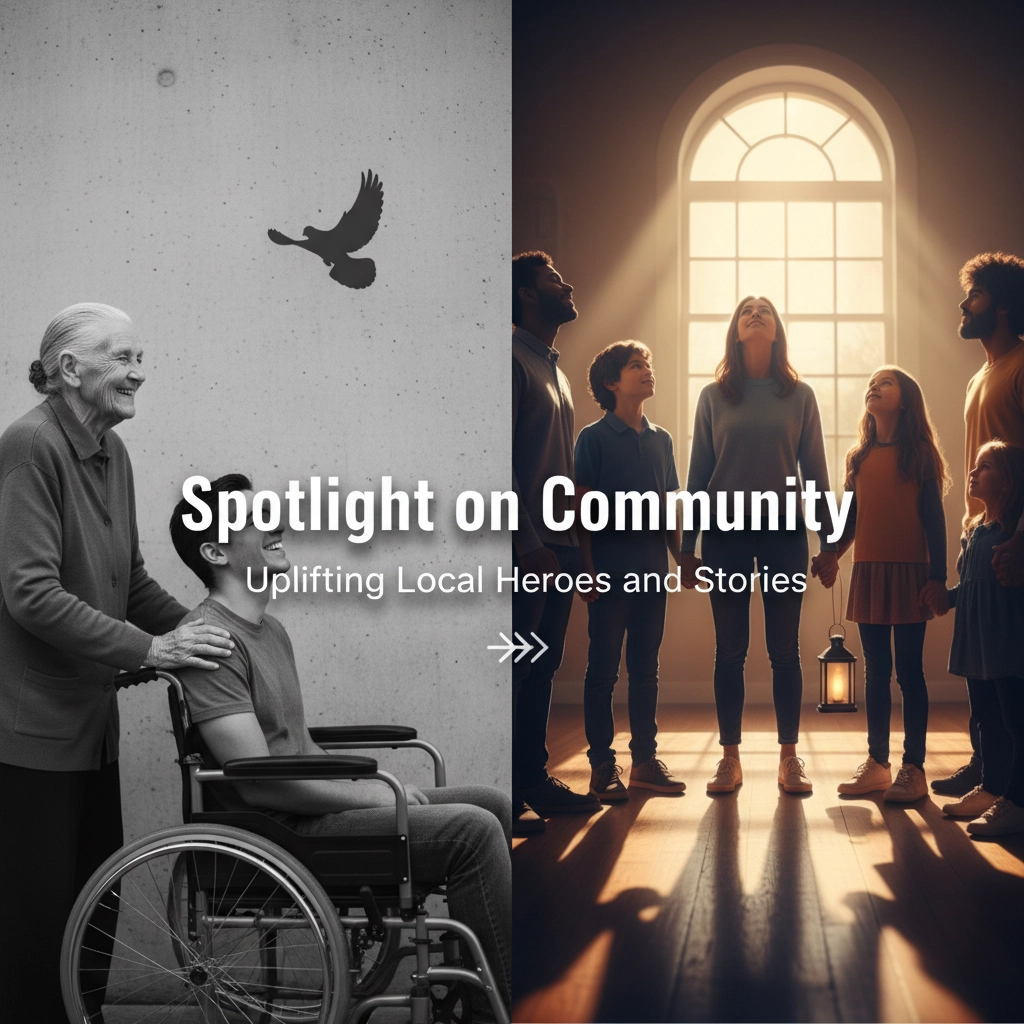
Every community has them: the quiet champions, the everyday heroes, and the dedicated volunteers who make extraordinary differences in ordinary moments. Community spotlights serve as powerful tools to recognize these individuals while inspiring others to step into their own roles as changemakers. When we shine light on local heroes and their stories, we create ripple effects that strengthen entire neighborhoods and build more connected, resilient communities.
These spotlight initiatives go far beyond simple recognition. They preserve important stories, document community progress, and provide blueprints for others who want to make similar contributions. Most importantly, they remind us that heroism isn't about grand gestures: it's about consistent care, creative problem-solving, and genuine commitment to making life better for others.
What Makes a Local Hero Worth Spotlighting
Community heroes come in all forms, but they share certain qualities that make their stories worth sharing. The most impactful spotlights focus on individuals who demonstrate sustained commitment rather than one-time acts of kindness. These are people who see problems and create solutions, who notice gaps in services and find ways to fill them.
Local heroes often work quietly behind the scenes. They might be the neighbor who organizes winter coat drives every year, the high school teacher who stays late to tutor struggling students, or the small business owner who provides job training for formerly incarcerated individuals. What makes their stories compelling isn't just what they do, but how they approach their work with creativity, persistence, and genuine care for others.
The best community spotlights also highlight heroes who reflect the diversity of their neighborhoods. This means recognizing contributions across different age groups, cultural backgrounds, and areas of impact. When spotlight programs intentionally seek out stories from various community segments, they create more inclusive narratives and help more people see themselves as potential heroes.
Examples of Successful Community Spotlight Programs
Communities across the country have developed innovative ways to celebrate local heroes. In Butte, Montana, the annual Local Heroes ceremony has been recognizing outstanding community members since 2020. Each honoree receives a $1,000 prize that must be reinvested back into the community, creating an immediate multiplier effect from the recognition.
The 2025 Butte ceremony honored individuals working in areas ranging from youth suicide prevention and Native educational opportunities to historic preservation and charitable work. This diversity of focus areas demonstrates how community spotlights can acknowledge the many different ways people contribute to their neighborhoods.
Phoenix's "Spotlight on Success Local Heroes Awards" takes a different approach, specifically recognizing LGBTQ and allied business and community heroes who have advanced diversity, equity, and inclusion efforts. By focusing on specific populations and values, this program creates targeted recognition while building coalitions around shared principles.
Other communities use monthly features or ongoing story collections. Spotlight PA, for example, runs monthly Local Heroes features that document individual stories of community impact. This regular schedule keeps recognition consistent and creates ongoing opportunities for community members to nominate their neighbors.
The key across all successful programs is consistency, clear criteria for recognition, and genuine celebration of the honorees. The most effective community spotlights also find ways to connect heroes with each other, creating networks of changemakers who can share resources and collaborate on future projects.
How to Create Effective Hero Stories
Great community spotlight stories go deeper than listing accomplishments. They help readers understand the person behind the achievements, the challenges they've overcome, and the specific impact they've created. The most compelling stories often start with a problem the hero noticed and explain how their unique background or skills led them to develop particular solutions.
Effective hero stories include concrete details about impact. Instead of saying someone "helps homeless individuals," describe how Sarah developed a winter care program at a local shelter that provides warm blankets, hot meals, and emotional support to 50 people each week during cold months. Specific numbers, personal anecdotes, and clear descriptions of services help readers understand exactly what the hero has accomplished.
The best stories also acknowledge challenges and setbacks. When Jamal created a community kitchen where people gather to share stories and find employment leads, the story becomes more powerful when it includes details about initial resistance from neighbors, funding struggles, or the learning curve involved in managing food service regulations. These details make the hero more relatable and their achievements more impressive.
Personal motivation adds another crucial layer. Understanding why Elena launched a winter warmth drive distributing thermal wear and heaters to vulnerable seniors: perhaps because she remembered her own grandmother's struggles with heating bills: helps readers connect emotionally with the story and see how personal experiences can drive community action.

The Ripple Effect of Recognition
When communities spotlight local heroes effectively, the recognition creates expanding circles of positive impact. The most immediate effect is on the heroes themselves, who often report feeling validated and energized to continue their work. Many say the recognition helps them see their contributions as valuable and worthy of investment.
The second circle affects other community members who learn about the hero's work. These stories often inspire people to get involved with existing programs or start their own initiatives. Research shows that volunteer spotlights sharing personal experiences and genuine transformation stories catalyze broader community involvement by demonstrating that regular people can create meaningful change.
The third circle involves organizations and institutions that learn about community needs through hero stories. When spotlight programs document the work of local heroes, they often reveal gaps in services or successful approaches that larger organizations can support or replicate. This creates opportunities for heroes to scale their impact through partnerships and additional resources.
The broadest circle affects community culture itself. Regular recognition of local heroes shifts narrative from focusing on problems to celebrating solutions. It creates expectations that community members will contribute to shared well-being and provides models for how to do so effectively. Over time, this culture shift makes communities more resilient and responsive to challenges.
Getting Started with Your Own Community Spotlight Initiative
Creating a community spotlight program doesn't require a large budget or extensive infrastructure. The most important elements are consistent commitment, clear processes for identifying heroes, and effective ways to share their stories.
Start by defining what kinds of contributions your program will recognize. Some communities focus on volunteer service, while others include entrepreneurs, artists, educators, or advocates. Consider whether you want to highlight ongoing work or specific achievements, individual contributions or group efforts, longtime residents or newcomers who are making immediate impact.
Develop simple nomination processes that make it easy for community members to suggest heroes. This might involve online forms, physical suggestion boxes at community centers, or partnerships with local organizations that can identify potential honorees. The key is creating multiple pathways for nominations and clearly communicating your criteria.
Consider your storytelling format based on available resources and audience preferences. Written profiles work well for newsletters and websites, while video stories create stronger emotional connections for social media sharing. Audio stories work well for radio partnerships or podcast formats. The format matters less than consistency and quality of content.

Building Partnerships for Greater Impact
Successful community spotlight programs often involve partnerships with local media, businesses, nonprofits, and government agencies. These collaborations expand reach, provide additional resources, and create more opportunities for heroes to connect with support for their work.
Local newspapers, radio stations, and community websites can help share hero stories with broader audiences. Many media outlets welcome positive community content and may provide regular features or special coverage for recognition events. These partnerships help spotlight programs reach community members who might not follow specific organization's communications.
Business partnerships can provide funding for recognition events, prizes for honorees, or venues for ceremonies. Some businesses sponsor specific recognition categories related to their values or customer base. These collaborations create opportunities for businesses to demonstrate community investment while supporting meaningful recognition.
Nonprofit partnerships help identify potential heroes and provide pathways for community members inspired by hero stories to get involved. When spotlight programs partner with established volunteer organizations, they create bridges between recognition and action that multiply the impact of their storytelling.
Measuring Impact and Success
Effective community spotlight programs track both immediate and long-term impact to understand their effectiveness and identify opportunities for improvement. Immediate measures include participation in nomination processes, attendance at recognition events, and engagement with hero stories through various media channels.
Medium-term impact involves tracking whether spotlight stories inspire increased volunteerism, donations to featured organizations, or new community initiatives started by people who learned about heroes' work. Some programs survey community members annually to understand awareness of local heroes and changes in their own volunteer involvement.
Long-term success measures focus on community culture and resilience. These might include increased civic participation, stronger networks among community organizations, or faster response to local challenges. While these changes develop over years rather than months, they represent the most significant impact of sustained community spotlight efforts.
Regular evaluation helps programs adjust their approaches based on what resonates with their specific communities. This might involve changing story formats, recognition criteria, or partnership strategies based on feedback from participants and community response.
Moving Forward with Purpose
Community spotlights work because they address fundamental human needs for recognition, connection, and meaning. When we celebrate local heroes effectively, we create communities where people feel valued for their contributions, inspired by their neighbors' examples, and confident in their ability to make positive differences.
The most successful programs remember that every community member has the potential to become a local hero. By sharing diverse stories of impact and maintaining accessible nomination processes, spotlight initiatives help more people see paths toward meaningful community involvement.
Whether you're starting a formal recognition program or simply looking for ways to celebrate community contributions, remember that the goal isn't perfect execution: it's consistent appreciation for the people who make your neighborhood a better place to live. Start where you are, use what you have, and celebrate the heroes already working around you.
For resources and tools to support your community building efforts, visit our resources page to discover templates, guides, and additional strategies for strengthening community connections.